The Complete Beginner's Guide to the Gym: Everything You Need to Know
Published on August 5, 2024
The Complete Beginner's Guide to the Gym: Everything You Need to Know
Walking into a gym for the first time is intimidating. Strange machines, people who seem to know what they're doing, and the nagging fear that everyone's watching you do something wrong.
I felt the same way when I started. Here's everything I wish someone had told me.
The Gym Layout
Most gyms are divided into zones:
Cardio section:
Treadmills, bikes, ellipticals, rowing machines. Usually near the entrance.
Machine area:
Weight machines with cables, pulleys, and fixed movement paths. Good for beginners—hard to do wrong.
Free weight area:
Dumbbells, barbells, benches, squat racks. Can be intimidating but incredibly valuable.
Stretching/mat area:
Open space for floor exercises, stretching, and bodyweight work.
Locker rooms:
Where you change, store belongings, and shower if needed.
What Equipment Is What
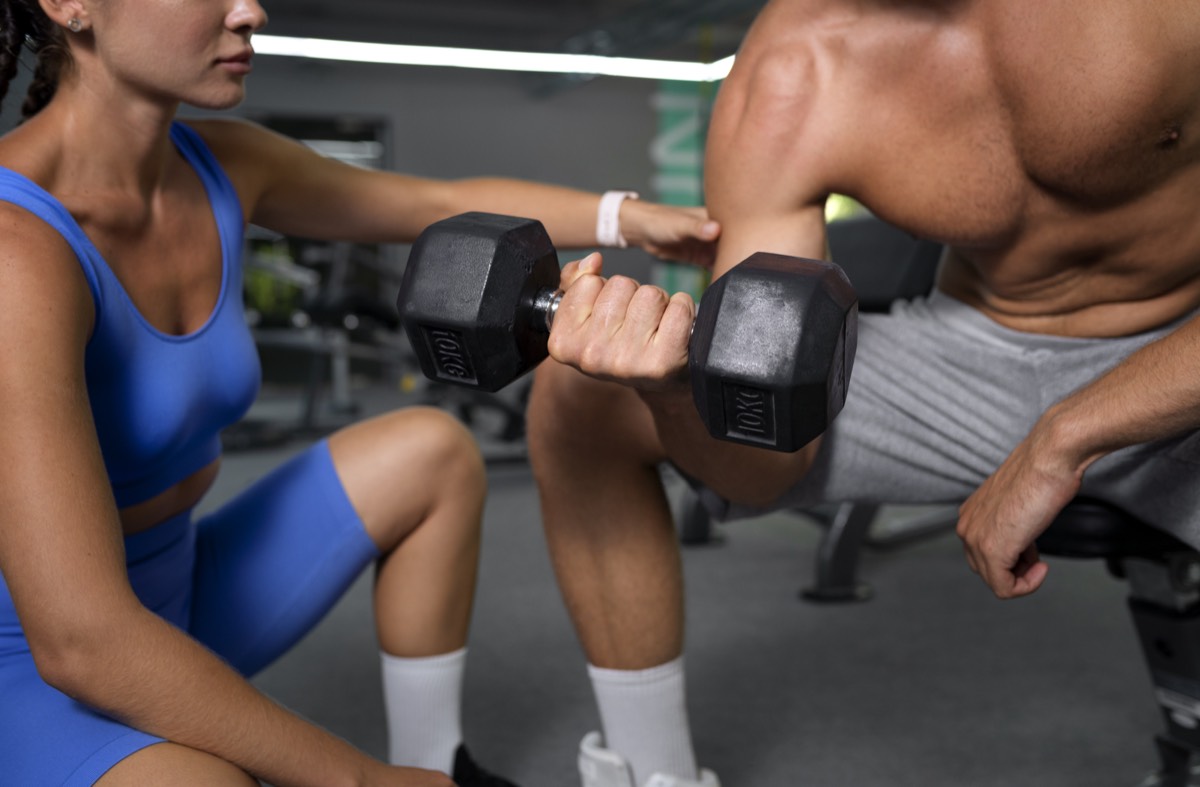
Dumbbells: Handheld weights. Start here as a beginner.
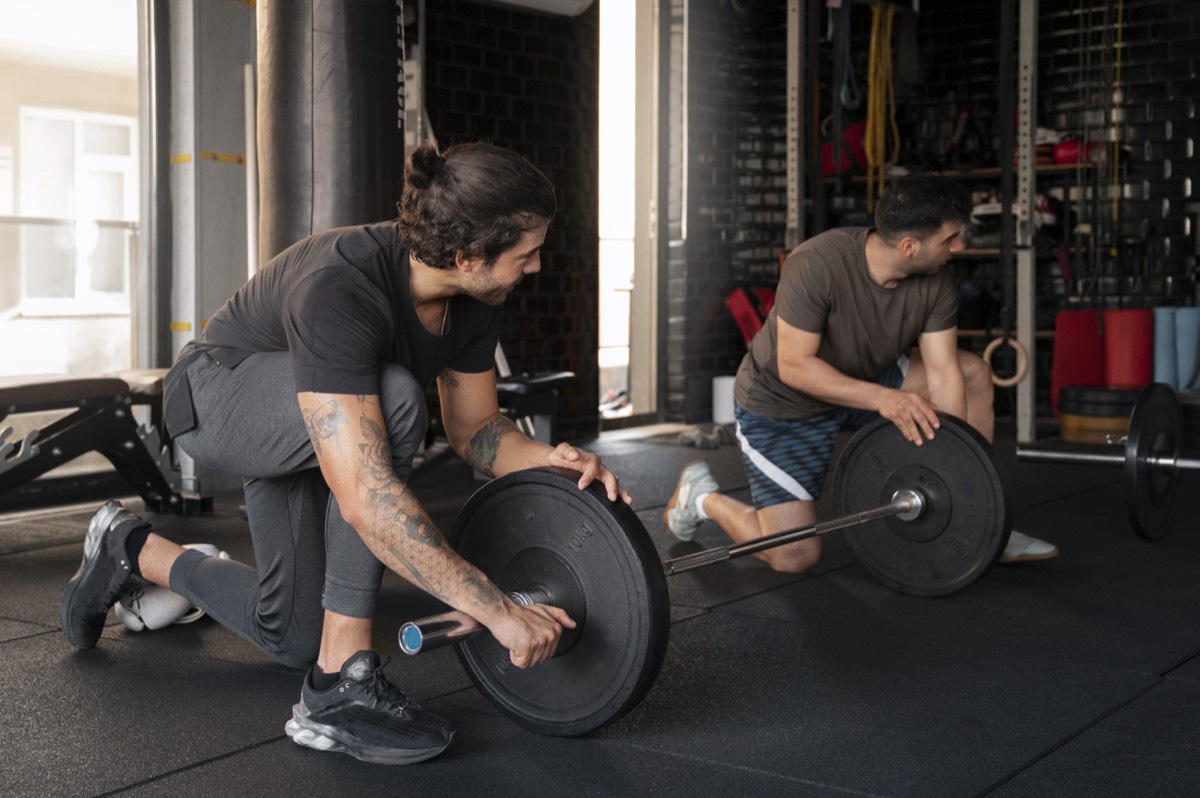
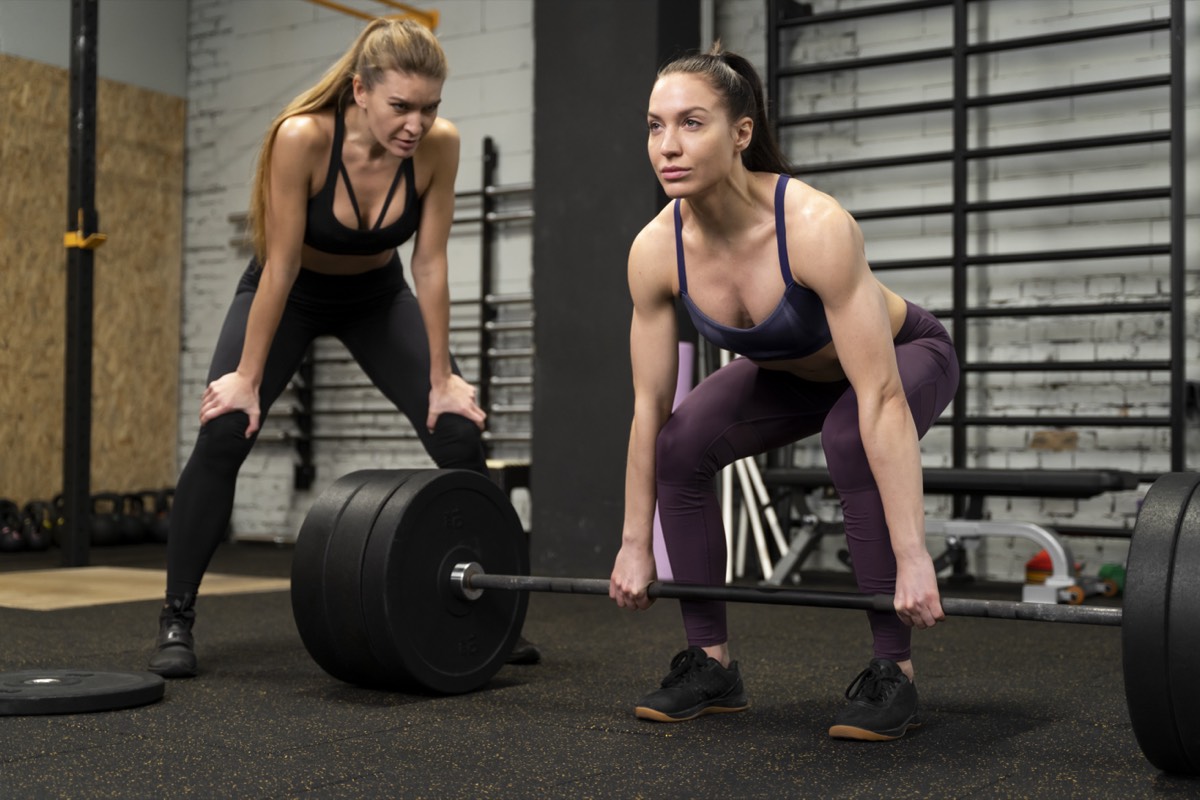
Barbells: Long bars you load with weight plates. Used for compound lifts.
Kettlebells: Cannonball-shaped weights with handles. Used for swings and carries.
Cable machines: Pulleys with adjustable weight stacks. Versatile and beginner-friendly.
Resistance machines: Seat/pad setups that guide your movement. Named for the muscle they target.
Benches: Flat, incline, or adjustable. Used for pressing and rows.
Squat/power racks: Cages with safety bars for squatting and pressing.
A Simple First Workout
Don't overcomplicate it. Here's a solid first gym session:
5-minute cardio warmup:
Treadmill walk or bike at easy pace.
Circuit (2-3 rounds):
- Dumbbell goblet squat: 10 reps
- Machine chest press: 10 reps
- Lat pulldown machine: 10 reps
- Dumbbell lunges: 10 each leg
- Plank: 20-30 seconds
Cooldown:
5 minutes stretching
This touches all major muscle groups, uses approachable equipment, and takes about 30-40 minutes.
Gym Etiquette Basics
Wipe down equipment: Use the provided wipes/spray after you use a machine or bench.
Re-rack your weights: Put dumbbells and plates back where they belong.
Don't hog equipment: If the gym is busy, let people work in between your sets.
Keep phone use reasonable: Quick text is fine. 10-minute Instagram scroll while sitting on equipment isn't.
Be mindful of space: Don't do exercises directly in front of the dumbbell rack.
Use headphones: Keep your music to yourself.
What to Wear
Clothing:
- Comfortable athletic wear
- Closed-toe shoes (athletic/training shoes)
- Avoid jeans, sandals, boots
To bring:
- Water bottle
- Towel (optional but nice)
- Lock for locker (some gyms provide)
- Headphones if you like music
Starting Conversations and Asking for Help
Most gym-goers are friendly and happy to help. It's okay to:
- Ask someone to show you a machine
- Request a spot on a lift
- Ask if equipment is being used
Staff can also help orient you to machines and answer questions.
How Often Should You Go?
Starting out:
- 2-3 times per week
- Full body workouts each session
- Rest days between sessions
This is enough to see progress while building the habit without burning out.
What Results to Expect
Week 1-2: Soreness (normal), learning the movements
Week 2-4: Getting comfortable, strength increasing, soreness decreasing
Month 1-3: Noticeable strength gains, improved energy, possibly some body composition changes
Month 3-6: Visible changes in physique, significantly stronger
Don't expect dramatic changes in week one. Fitness is a long game.
Common Beginner Fears (And Why They're Overblown)
"Everyone is watching me."
They're not. Everyone is focused on their own workout. You're less noticeable than you think.
"I'll look stupid."
Everyone started somewhere. Even the most fit person in the gym was once a beginner.
"I don't know what I'm doing."
Start with machines and basic movements. Learn as you go. Use resources like this app.
"I'll get injured."
Start light, learn form, progress gradually. Most injuries come from ego lifting, not smart training.
Tips for Your First Month
- Go at the same times: Build a routine
- Start lighter than you think: You can always add weight
- Focus on learning: This month is about building habits, not PRs
- Track your workouts: See your progress over time
- Don't compare yourself to others: You're on your own journey
The Bottom Line
The gym is less scary than it seems. Start with a simple full-body routine, focus on learning proper form, wipe down your equipment, and show up consistently. Everyone was a beginner once—including the intimidating regulars. Give it a month of consistent effort, and you'll feel completely at home.
Frequently Asked Questions
How often should a beginner go to the gym?
What should I do on my first day at the gym?
Do I need a trainer as a beginner?
Medical Disclaimer
This content is for informational purposes only. Always consult a healthcare professional before starting any new exercise program.
Related Articles
Put This Knowledge Into Action
Download Axon and get personalized workout plans that incorporate these training principles, tailored to your goals.
Download on App Store