Home Gym Equipment: What You Actually Need
Published on March 15, 2025
Home Gym Equipment: What You Actually Need
During the 2020 lockdowns, I watched home gym equipment prices skyrocket. Dumbbells selling for $3 per pound. Squat racks back-ordered for months. People spent thousands on equipment they didn't need while missing basics that would have served them better.
Having trained in both commercial gyms and my garage gym for years, I've learned what's essential, what's nice-to-have, and what's a waste of money. Let me save you the expensive trial and error.
Before You Buy Anything
Define Your Goals
- General fitness: Minimal equipment needed
- Muscle building: Moderate equipment, progressive loading important
- Strength sports: More equipment, competition standards
- Sport-specific training: Depends on the sport
Assess Your Space
- Measure your area precisely
- Account for movement (a barbell needs room on both sides)
- Consider ceiling height (overhead pressing, pull-up bars)
- Think about flooring (protect your floor and equipment)
Set a Realistic Budget
Home gyms can cost anywhere from $100 to $10,000+. Start with essentials and expand over time. A $500 setup can provide excellent training for years.
The Essentials (Start Here)
Tier 1: The Absolute Basics ($100-300)
Adjustable Dumbbells or Dumbbell Set
This is where most people should start. A pair of adjustable dumbbells (like PowerBlocks or Bowflex) or a set of fixed dumbbells (10-50 lbs) covers an enormous range of exercises.
Pull-Up Bar
A doorframe pull-up bar costs $30 and provides one of the best upper body exercises that exists. If you can, get a wall-mounted or ceiling-mounted version for more stability.
Resistance Bands
A set of loop bands and mini bands costs under $50 and adds dozens of exercise options. They're also essential for warm-ups and mobility work.
Exercise Mat
For floor exercises, stretching, and core work. Doesn't need to be fancy—just dense enough to cushion your spine.
This setup covers: Pressing, pulling, hinging, squatting, isolation work for all muscle groups, and conditioning. It's enough for most general fitness goals.
Tier 2: The Intermediate Setup ($500-1500)
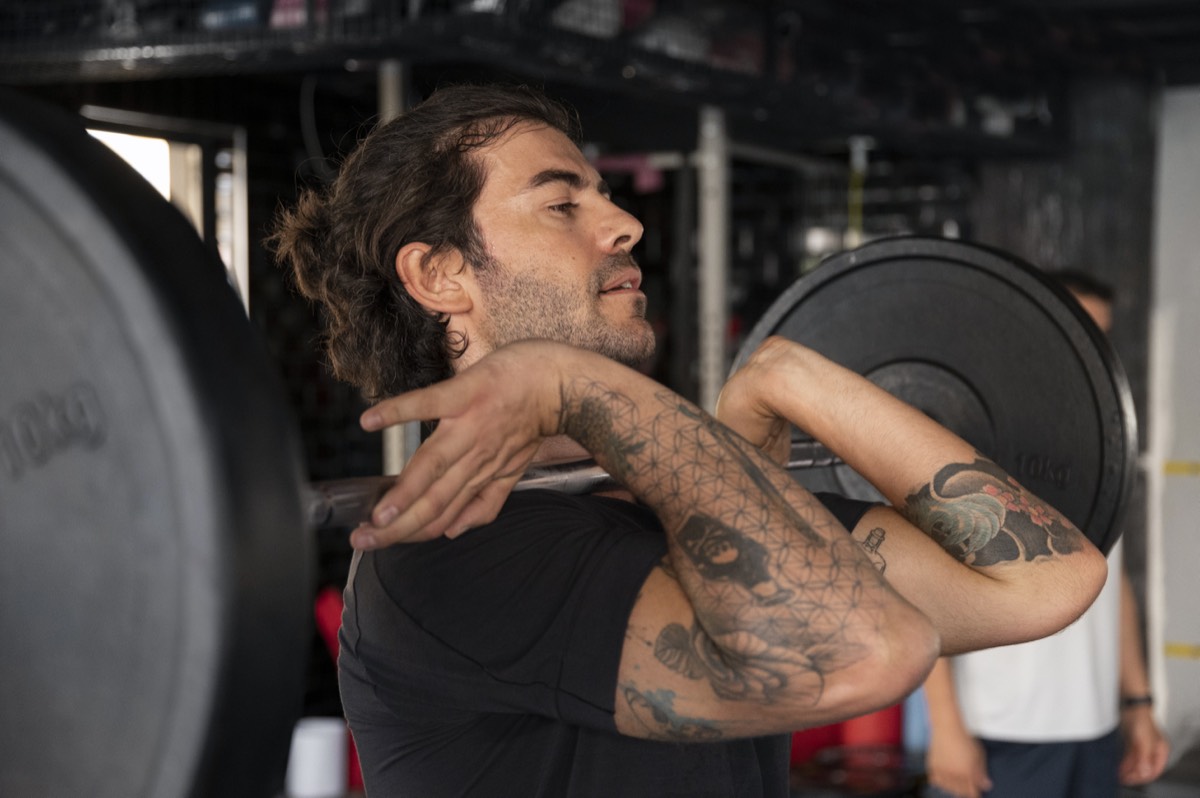
Barbell and Weight Plates
A standard Olympic barbell (45 lbs) with 200-300 lbs of plates opens up heavy compound movements. Buy used if possible—iron doesn't expire.
Squat Rack or Power Cage
You need somewhere to squat and bench safely. A basic squat rack with safety bars works. A full power cage with pull-up bar is ideal but takes more space.
Adjustable Bench
Flat and incline pressing, rows, step-ups. Look for something sturdy with secure incline positions.
Flooring (Rubber Mats)
Horse stall mats from farm supply stores are the cheap option ($50 each). They protect your floor, deaden noise, and provide stable footing.
This setup covers: Everything in Tier 1, plus heavy barbell work for serious strength and muscle building.
Tier 3: The Complete Setup ($2000-5000)
Add to previous tiers:
Full Weight Set (300-500+ lbs)
For progressive overload over years of training.
Specialty Bars
- Trap/hex bar (easier deadlifting)
- EZ curl bar (arm work)
- Safety squat bar (squat variation)
Dip Station or Dip Attachment
Dips are among the best chest and tricep exercises.
Additional Dumbbells
Heavier options, or a second pair of adjustables for supersetting.
Cable System or Functional Trainer
Constant tension, endless exercise options. This is a luxury item but highly useful.
Cardio Equipment
Rower, bike, or treadmill if you have space and budget.
What You Can Skip
Not Worth It For Most People
Smith Machine
Expensive, takes up space, and the fixed bar path limits natural movement. A rack and barbell are superior.
Most Single-Purpose Machines
Leg curl machines, chest fly machines, etc. Unless you're building a commercial-scale gym, these aren't space-efficient.
Fancy Treadmill/Elliptical
A $2000 treadmill does the same thing as running outside (free). If you need indoor cardio, a basic model or a jump rope works.
Gimmicky Ab Equipment
Ab rollers are fine. Everything else—ab loungers, ab rockers, etc.—is unnecessary when you have a floor.
Overrated But Not Useless
Leg Press
Useful but takes enormous space. Dumbbell and barbell leg work suffice for most goals.
Preacher Curl Bench
Nice for biceps isolation, but a regular bench and concentration curls work fine.
Dedicated Calf Raise Machine
Standing or seated calf raises with dumbbells or a barbell work well.
Budget Strategies
Buy Used
- Check Facebook Marketplace, Craigslist, OfferUp
- Look for moving sales, gym closures
- Iron plates don't wear out—condition doesn't matter much
- Inspect barbells for bent shafts
Buy Once, Cry Once
Some items deserve quality investment:
- Barbell (cheap bars bend and have poor knurling)
- Squat rack (safety matters)
- Adjustable dumbbells (cheap ones break)
DIY Options
- Sandbags (under $50 for 150+ lbs of training)
- Concrete-filled buckets (ugly but functional)
- DIY plyo boxes (lumber is cheap)
- PVC pipe and bands for home cable alternatives
Start Minimal
You don't need everything day one. Start with Tier 1, train for 6-12 months, then assess what you actually need.
Setup and Organization
Optimize Your Layout
- Place the rack first—it's the centerpiece
- Leave room to walk around loaded barbells
- Store plates and dumbbells where they won't trip you
- Consider a mirror for form checks
Storage Solutions
- Wall-mounted plate trees save floor space
- Dumbbell racks keep things organized
- Pegboards for bands, straps, and accessories
- Hooks for jump ropes and cables
Climate Considerations
- Garages get hot and cold—train in appropriate clothing
- Humidity can rust equipment—keep things dry
- Heat affects rubber (bands, some plates)
- Cold affects grip—keep chalk handy
Maintenance
Barbell Care
- Brush out chalk with a nylon brush
- Wipe down with light oil occasionally
- Don't drop empty barbells
- Store horizontally, not vertically
Rust Prevention
- Wipe down equipment after sweaty sessions
- Keep space ventilated
- Use 3-in-1 oil on iron plates if rust appears
Safety Checks
- Inspect rack bolts quarterly
- Check cables/bands for wear
- Ensure safety bars are properly set
The Bottom Line
A home gym doesn't require a huge investment to be effective. Many people achieve outstanding results with just dumbbells, a pull-up bar, and bands. If you want to train with barbells, a basic rack and weight set around $1000 covers 95% of training needs.
Start with the essentials. Train consistently for several months. Then add equipment based on actual needs, not hypothetical workouts you might someday do.
The best home gym is one you actually use. A simple setup you train in daily beats an elaborate gym gathering dust.
Frequently Asked Questions
What is the minimum equipment needed for an effective home gym?
Is a home gym cheaper than a gym membership?
What should I buy first for a home gym?
Medical Disclaimer
This content is for informational purposes only. Always consult a healthcare professional before starting any new exercise program.
Related Articles
Put This Knowledge Into Action
Download Axon and get personalized workout plans that incorporate these training principles, tailored to your goals.
Download on App Store