Post-Workout Nutrition: The Truth About the Anabolic Window
Published on September 12, 2024
Post-Workout Nutrition: The Truth About the Anabolic Window
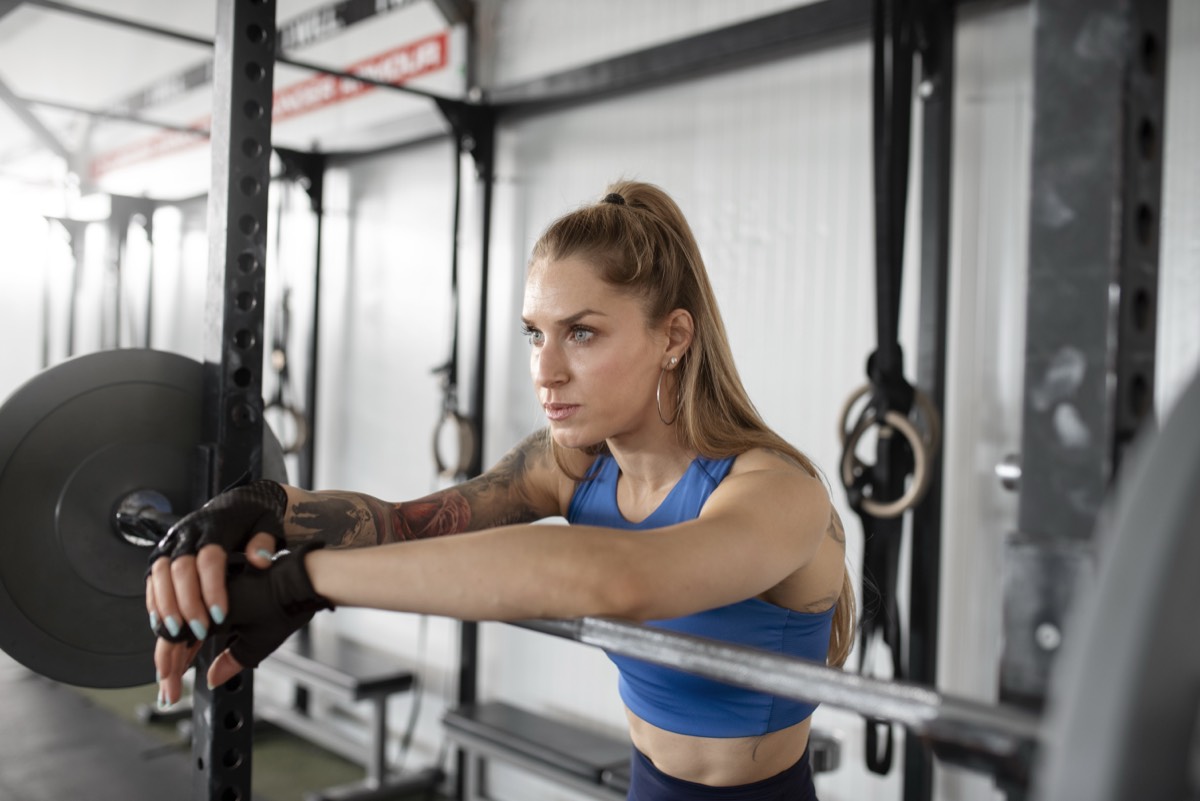
For years, I sprinted to the locker room after my last set, frantically mixing a protein shake like my muscles would dissolve if I didn't get protein in within 30 minutes. I'd skip socializing, rush through my cool-down, and treat that "anabolic window" like it was life or death.
Here's what I wish someone had told me: I was stressing about something that barely matters.
The Anabolic Window Myth
The "anabolic window" theory claimed you had a narrow 30-60 minute window after training when your muscles were primed to absorb nutrients. Miss this window, the theory went, and you'd miss out on gains.
This idea dominated fitness culture for decades. Supplement companies loved it—it sold a lot of protein powder.
But when researchers actually tested it rigorously, the results were surprising.
What the Research Actually Shows
A comprehensive meta-analysis by Schoenfeld et al. (2013) examined all the available studies on protein timing. The conclusion? Total daily protein intake was far more important than timing.
The researchers found that when total protein was equated, the timing around workouts made minimal difference for muscle growth.
Another study by Aragon and Schoenfeld (2013) in the Journal of the International Society of Sports Nutrition concluded that the anabolic window is much longer than previously thought—likely 4-6 hours, not 30-60 minutes.
What Actually Matters
Total daily protein: This is the biggest factor. If you're hitting 0.7-1.0g per pound of bodyweight spread across your meals, you're doing the main thing right.
Pre-workout nutrition: If you ate a protein-containing meal 2-3 hours before training, those amino acids are still circulating. You don't need to rush post-workout.
Post-workout meal timing: Having protein within a few hours of training is smart, but the urgency is overblown. The real window is hours, not minutes.
When Timing Does Matter More
There are some situations where post-workout nutrition timing becomes more important:
Fasted training: If you trained without eating beforehand, getting protein relatively soon after (within 1-2 hours) makes more sense.
Multiple training sessions per day: If you're doing two-a-days, you need to recover and refuel faster.
Endurance athletes: Carbohydrate replenishment matters more when you've severely depleted glycogen stores.
Competitive athletes with tight schedules: When you have limited recovery time before another event or session.
For most recreational lifters hitting the gym once a day after a normal meal schedule? Relax.
My Current Post-Workout Approach
These days, I usually eat a regular meal within 1-2 hours after training. Sometimes it's immediately after, sometimes it's not until I get home, shower, and cook. My results haven't suffered.
What I focus on:
- Protein: 30-50g from quality sources
- Carbohydrates: To replenish glycogen—amount depends on training intensity
- Hydration: Often overlooked but crucial for recovery
Good Post-Workout Meals
Quick options:
- Protein shake with a banana
- Greek yogurt with fruit and granola
- Chocolate milk (yes, really—solid protein to carb ratio)
Full meals:
- Grilled chicken with rice and vegetables
- Salmon with sweet potato
- Eggs with toast and avocado
- Lean beef stir-fry with rice
The Carbohydrate Question
Post-workout carbs help replenish muscle glycogen. But unless you're training again within 8 hours, the urgency is low. Your glycogen stores will be fully restored within 24 hours with normal eating.
For most people, just eating your regular carbs throughout the day is sufficient. You don't need a special high-glycemic "spike" post-workout.
Skip the Stress
Here's the bottom line: if you're eating adequate protein spread across your meals and training consistently, you're doing the important things. The difference between eating protein immediately after your workout versus two hours later is minimal—probably unmeasurable for most people.
Save your mental energy for things that actually move the needle: progressive overload, sleep, consistent training, and total daily nutrition. The anabolic window stress isn't worth it.
Frequently Asked Questions
How long is the anabolic window after a workout?
Do I need to eat protein immediately after working out?
What should I eat after a workout?
Medical Disclaimer
This content is for informational purposes only. Always consult a healthcare professional before starting any new exercise program.
Related Articles
Put This Knowledge Into Action
Download Axon and get personalized workout plans that incorporate these training principles, tailored to your goals.
Download on App Store