Women's Strength Training: A Complete Beginner's Program
Published on December 30, 2024
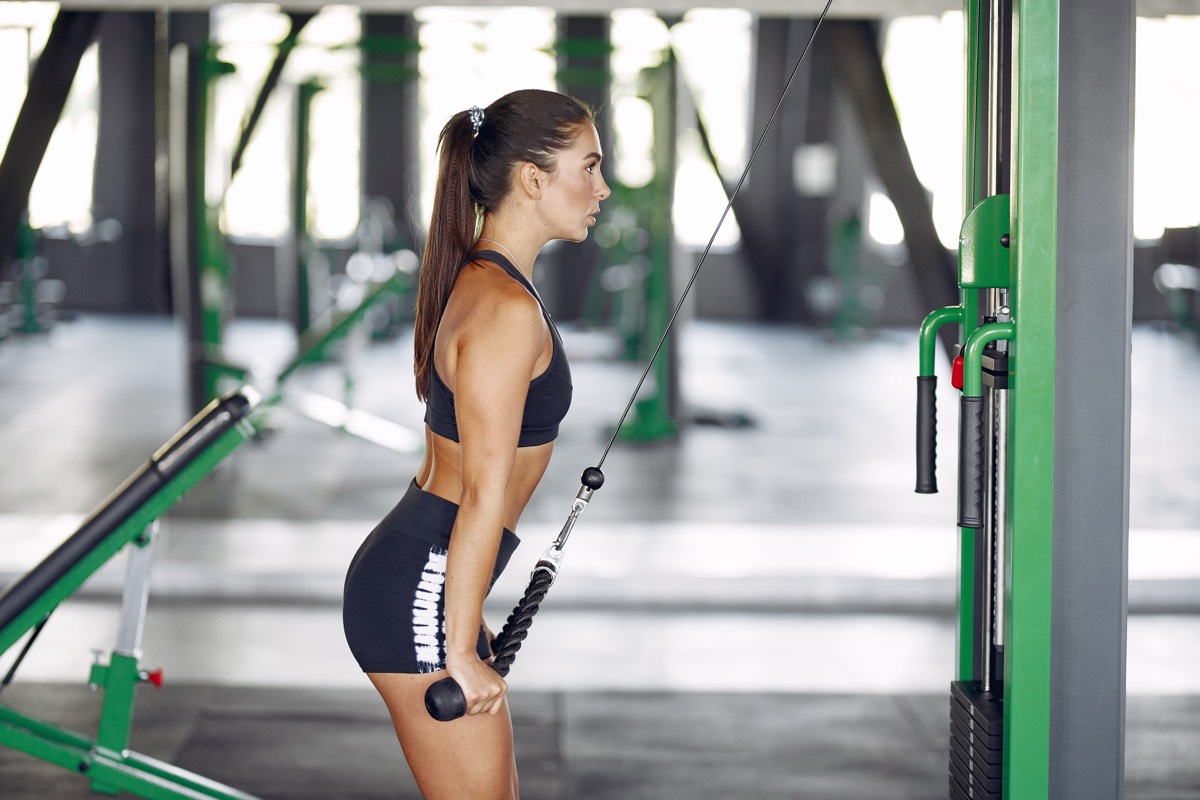
Women's Strength Training: A Complete Beginner's Program
Starting strength training can feel overwhelming. What exercises? How much weight? How often? The gym can be intimidating when you don't know what you're doing.
I've helped dozens of women start lifting. Here's a complete beginner program that will build strength, confidence, and results.
Before You Start
Equipment needed:
- Access to a gym with barbells, dumbbells, and machines
- Or home setup with adjustable dumbbells and a bench
Mindset:
- You belong in the weight room
- Everyone starts somewhere
- Form matters more than weight
- Progressive improvement is the goal
The Program Structure
Frequency: 3 days per week (e.g., Monday/Wednesday/Friday)
Duration: ~45-60 minutes
Style: Full body, alternating workouts A and B
Workout A
1. Goblet Squat: 3 sets × 10-12 reps
- Hold dumbbell at chest
- Squat until thighs are parallel to floor
- Push through whole foot to stand
- Keep chest up throughout
2. Dumbbell Romanian Deadlift: 3 sets × 10-12 reps
- Dumbbells in front of thighs
- Hinge at hips, pushing butt back
- Lower until you feel hamstring stretch
- Squeeze glutes to stand
3. Dumbbell Bench Press: 3 sets × 10-12 reps
- Lie on bench, dumbbells above chest
- Lower to sides of chest
- Press back up
- Keep feet flat on floor
4. Seated Cable Row: 3 sets × 10-12 reps
- Sit with feet on platform
- Pull handle to lower chest
- Squeeze shoulder blades together
- Control the return
5. Dumbbell Shoulder Press: 3 sets × 10-12 reps
- Seated or standing
- Dumbbells at shoulder height
- Press overhead until arms straight
- Lower with control
6. Plank: 3 sets × 30-45 seconds
- Forearms on ground
- Body in straight line
- Core engaged
- Don't let hips sag
Workout B
1. Leg Press: 3 sets × 10-12 reps
- Feet shoulder-width on platform
- Lower until knees are 90 degrees
- Push through whole foot
- Don't lock knees at top
2. Dumbbell Hip Thrust: 3 sets × 12-15 reps
- Upper back on bench
- Dumbbell on hip crease
- Drive hips up, squeeze glutes at top
- Lower with control
3. Lat Pulldown: 3 sets × 10-12 reps
- Grip slightly wider than shoulders
- Pull bar to upper chest
- Squeeze shoulder blades down and together
- Control the return
4. Push-Up (or Incline Push-Up): 3 sets × 8-12 reps
- Hands slightly wider than shoulders
- Lower chest toward ground
- Push back up
- Use incline (hands on bench) if floor is too hard
5. Dumbbell Reverse Lunge: 3 sets × 10 reps each leg
- Step backward into lunge
- Lower until back knee nearly touches ground
- Push off front foot to stand
- Alternate legs
6. Face Pull: 3 sets × 15 reps
- Cable at face height
- Pull rope to face, elbows high
- Squeeze shoulder blades together
- Great for posture
Weekly Schedule
Week 1:
- Monday: Workout A
- Wednesday: Workout B
- Friday: Workout A
Week 2:
- Monday: Workout B
- Wednesday: Workout A
- Friday: Workout B
Continue alternating.
How to Progress
Weeks 1-2: Learn movements, find starting weights
Weeks 3-4: Add weight when 12 reps feels comfortable
Weeks 5+: Continue adding weight when you hit top of rep range
The progression rule: When you can do all sets at the high end of the rep range with good form, add 5 lbs (dumbbells) or 10 lbs (machines) next session.
Choosing Starting Weights
For each exercise, find a weight where:
- You can complete all reps with good form
- The last 2-3 reps are challenging but doable
- You're not straining or breaking form
It's better to start too light than too heavy. You can always add weight.
Warm-Up Routine
5-10 minutes before lifting:
- 3-5 min light cardio (bike, treadmill walk)
- Arm circles (10 each direction)
- Leg swings (10 each leg)
- Bodyweight squats (10)
- Hip circles (10 each direction)
- Cat-cow stretches (10)
Common Beginner Mistakes
Going too heavy too fast:
Form deteriorates, injury risk increases. Master the movement, then add weight.
Skipping legs:
Lower body training builds the most muscle and burns the most calories. Don't skip it.
Not resting enough between sets:
Take 60-90 seconds between sets. You should feel recovered.
Random exercise selection:
Follow the program as written. Random workouts don't provide systematic progress.
Comparing to others:
Focus on your own progress, not what others are lifting.
After 8-12 Weeks
Once you've completed 8-12 weeks of this program:
- You'll have built a solid strength base
- Movements will feel natural
- You can progress to an intermediate program
- Consider adding a 4th day
Expected Results
After 1 month:
- Increased confidence
- Better movement quality
- Initial strength gains
- Possibly weight fluctuation (don't panic—muscle, water, adaptation)
After 3 months:
- Noticeable strength improvement
- Body composition changes visible
- Movements feel natural
- Ready for more advanced training
The Bottom Line
Start with this simple 3-day full body program. Focus on learning movements with good form. Progress gradually by adding small amounts of weight when exercises feel comfortable. Consistency over 3+ months will produce meaningful results. You've got this.
Frequently Asked Questions
How often should women lift weights?
What weight should I start with?
How long until I see results from lifting?
Medical Disclaimer
This content is for informational purposes only. Always consult a healthcare professional before starting any new exercise program.
Related Articles
Put This Knowledge Into Action
Download Axon and get personalized workout plans that incorporate these training principles, tailored to your goals.
Download on App Store