How to Deadlift: Master the Most Functional Lift
Published on October 5, 2024
How to Deadlift: Master the Most Functional Lift
Pick heavy things up off the ground. Put them back down. The deadlift is the most primal movement pattern in the gym, yet it's surrounded by more fear and misinformation than any other exercise.
I used to be terrified of deadlifts. I'd heard all the stories—blown discs, torn muscles, careers ended. So I avoided them for my first year of training. When I finally worked up the courage to learn properly, I realized how much I'd been missing. The deadlift didn't hurt my back; it built an indestructible one.
Why the Deadlift Is Non-Negotiable
Research consistently shows the deadlift as one of the most effective exercises for building total-body strength. A 2020 study in the Journal of Strength and Conditioning Research found that deadlift training improved not just back and leg strength, but grip strength and core stability as well.
Beyond the gym, deadlifts teach you how to safely lift objects from the ground—something you'll do thousands of times in your life. Learning to deadlift is learning to protect your spine forever.
Deadlift Variations: Which One Is Right for You?
Conventional Deadlift
Feet hip-width apart, hands just outside legs. The classic version, emphasis on posterior chain.
Sumo Deadlift
Wide stance, hands inside legs. Shorter range of motion, more quad involvement, often better for people with long torsos.
Trap Bar (Hex Bar) Deadlift
Stand inside a hexagonal bar. More quad involvement, easier to learn, excellent for beginners and athletes.
Romanian Deadlift (RDL)
Start from standing, hinge at hips, minimal knee bend. Isolation of hamstrings and glutes. Not a floor pull.
For this guide, I'll focus primarily on the conventional deadlift, with notes on how other variations differ.
The Setup: Your Foundation for Success
Foot Position
Stand with feet hip-width apart. The bar should be over your mid-foot—about an inch from your shins. This might feel too close, but trust the process.
Grip
Reach down and grip the bar just outside your legs. You have options:
Double Overhand
Both palms facing you. Limits weight but builds grip strength. Use as long as possible.
Mixed Grip
One palm forward, one back. Allows heavier loads. Alternate which hand supinates to prevent imbalances.
Hook Grip
Thumbs wrapped under fingers. Painful initially but extremely secure. Common in Olympic lifting.
Hip Position
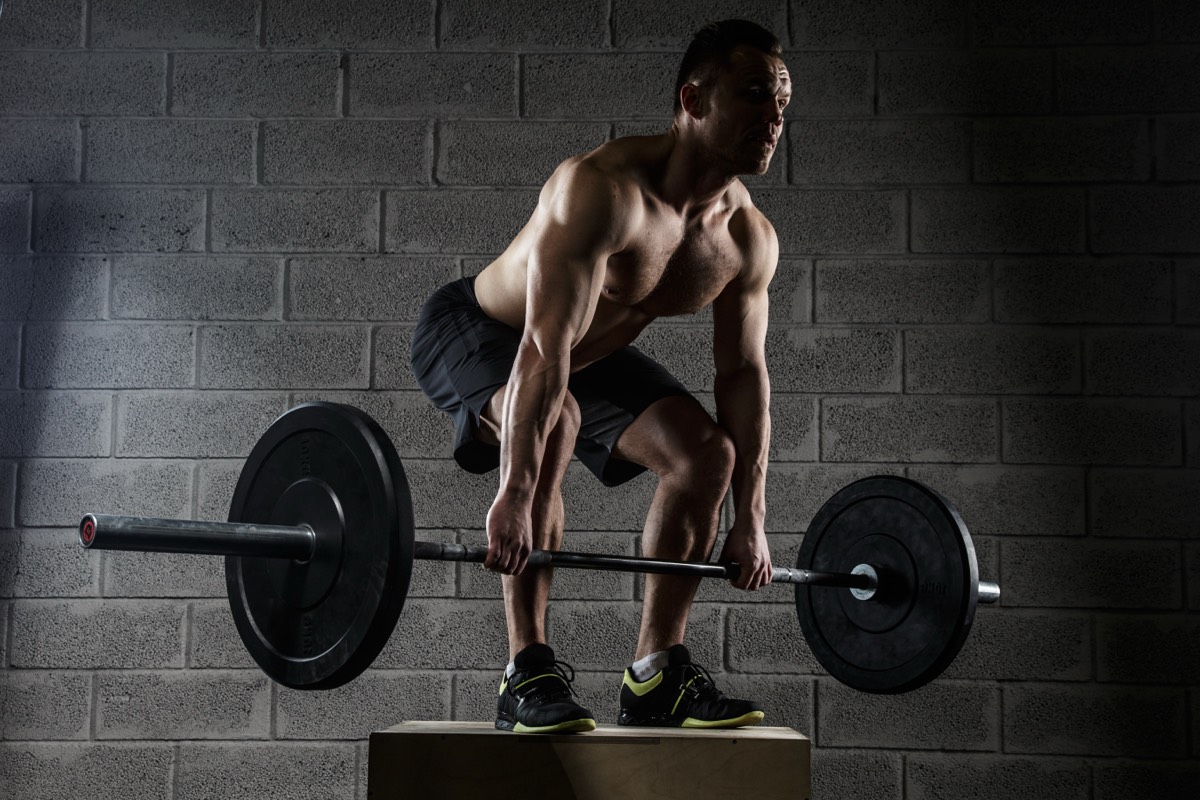
Here's where many people go wrong. Your hips should be higher than you think—this isn't a squat. With the bar over mid-foot, bend your knees until your shins touch the bar, then bring your chest up without moving the bar or your hips.
Upper Body Setup
- Chest up, proud posture
- Shoulders directly over or slightly in front of the bar
- Arms straight, no bending
- Shoulder blades pulled back and down
- Look at a spot 10-15 feet ahead on the floor
The Breath and Brace
Take a big breath into your belly, brace your core hard, and hold it throughout the lift.
The Pull: Executing the Lift
Breaking the Floor
Don't yank the bar. Build tension first—I call this "taking the slack out." Pull up on the bar until you feel it pressing against the plates, then drive.
The Movement
Push the floor away with your legs while keeping your chest up. The bar should drag up your shins and thighs—yes, it'll touch you the whole way. This is why experienced lifters wear long socks.
Hip and Knee Extension
The deadlift is simultaneous hip and knee extension. Your hips and shoulders should rise at the same rate. If your hips shoot up first (turning it into a stiff-leg deadlift), the weight might be too heavy or your setup might be off.
Lockout
At the top, stand tall with hips fully extended and shoulders back. Squeeze your glutes at the top. Don't hyperextend your lower back.
The Descent: Lowering the Bar
Control, Not Slowness
You don't need to lower the bar slowly—this is where injuries often happen as people fatigue. Push your hips back and guide the bar down your thighs, then bend your knees once it passes them.
Reset Between Reps
Deadlifts are best done as single reps with a reset. Don't bounce the weight off the floor. Let it settle, reset your position, and pull again.
Common Deadlift Errors
Rounding the Lower Back
The Fix: Keep your chest up, engage your lats, and if needed, reduce weight. Some upper back rounding is acceptable at heavy loads; lower back rounding is not.
Starting With Hips Too Low (Squatting the Deadlift)
The Fix: Your hips should be higher than in a squat. When your shins touch the bar, that's your hip position.
Bar Drifting Forward
The Fix: Keep the bar against your body throughout. Think about dragging it up your legs. Engage your lats by imagining you're bending the bar around your shins.
Hyperextending at Lockout
The Fix: Stand tall but don't lean back. Finish with glutes squeezed, not with your lower back arched.
Looking Up
The Fix: Keep a neutral neck. Look at a spot on the floor 10-15 feet ahead.
Sumo Deadlift Specifics
If you choose sumo:
- Stance is wide—how wide depends on your hip structure
- Toes pointed out 30-45 degrees
- Grip is inside your legs
- Push your knees out toward your elbows
- Keep your chest very upright
Sumo often suits people with:
- Long torsos relative to legs
- Good hip mobility
- Hip socket anatomy that favors external rotation
Programming Deadlifts
Frequency
Most people do well with 1-2 deadlift sessions per week. It's a demanding lift that requires recovery.
Rep Ranges
- Strength (1-5 reps): Heavy, high neural demand
- Hypertrophy (6-10 reps): Moderate weight, more volume
- Beginners: 3-5 sets of 5 reps is a great starting point
Accessories That Help Your Deadlift
- Romanian deadlifts (hamstrings)
- Barbell rows (upper back)
- Deficit deadlifts (off the floor strength)
- Rack pulls (lockout strength)
- Core work (anti-extension exercises)
Safety and Equipment
Shoes
Flat, hard soles work best. Converse, wrestling shoes, or deadlift slippers are popular. Running shoes with cushioned soles are problematic.
Belts
A belt can help with heavier loads (generally 80%+ of max). It gives your core something to brace against. It doesn't replace core strength.
Chalk
Chalk improves grip dramatically. If your gym doesn't allow chalk, liquid chalk is a good alternative.
Straps
Use straps for high-rep work or if grip limits your training. For max attempts in competition, you can't use straps, so train grip separately.
When to Pull Back
Don't deadlift through:
- Acute lower back pain
- Illness or severe fatigue
- If you can't maintain proper form
There's no shame in having off days. The deadlift will be there when you're ready.
The Bottom Line
The deadlift rewards patience and respect. It's not a lift you conquer—it's a lift you develop a relationship with over years. Film your sets, analyze your technique, and don't rush to add weight at the expense of form.
When performed correctly, deadlifts don't hurt your back. They build the strongest, most resilient back possible. Start light, master the pattern, and gradually load it over time. Your future self will thank you.
Frequently Asked Questions
Are deadlifts bad for your back?
Should I use sumo or conventional deadlift?
How often should I deadlift?
Medical Disclaimer
This content is for informational purposes only. Always consult a healthcare professional before starting any new exercise program.
Related Articles
Put This Knowledge Into Action
Download Axon and get personalized workout plans that incorporate these training principles, tailored to your goals.
Download on App Store