How to Barbell Row: The Ultimate Back Builder
Published on December 20, 2024

How to Barbell Row: The Ultimate Back Builder
If you want a thick, powerful back, you need to row heavy. And no rowing variation builds overall back thickness quite like the barbell row. It's been a staple of bodybuilding since the golden era and remains essential today.
I'll admit—I neglected rows for too long early in my training. I was all about the bench, the deadlift, the flashy lifts. Then I noticed my posture suffering, my shoulder health declining, and my bench stalling. Adding serious rowing volume changed everything.
Why Barbell Rows Matter
Research consistently shows that horizontal pulling movements like rows are essential for shoulder health and postural balance. A 2019 study in the Journal of Strength and Conditioning Research found that lifters who maintained equal pushing and pulling volume had significantly fewer shoulder injuries.
Beyond injury prevention, a strong back creates the foundation for heavy pressing. Your lats and upper back provide stability for bench press and overhead work. As the saying goes: a strong back means a strong everything.
Barbell Row Variations
Pendlay Row (Strict Row)
Bar starts on the floor, torso parallel to ground, each rep is a full reset. Named after coach Glenn Pendlay. Develops explosive pulling power.
Bent-Over Row (Standard)
Bar hangs in hands, torso at 45-70 degrees, continuous reps. The classic bodybuilding row. More time under tension.
Yates Row
More upright torso (60-70 degrees), underhand grip, row to lower abdomen. Named after Dorian Yates. Emphasizes lower lats.
Seal Row
Lying face-down on an elevated bench, removing momentum entirely. Pure back work. Requires special setup.
I'll focus on the standard bent-over row, with notes on other variations.
The Setup
Foot Position
Stand with feet hip to shoulder-width apart. The bar should be over your mid-foot, similar to a deadlift starting position.
Gripping the Bar
Reach down and grip the bar with hands slightly wider than shoulder width for overhand grip. You can also use:
- Overhand (pronated): Standard, more upper back emphasis
- Underhand (supinated): More bicep involvement, lower lat emphasis
- Neutral (with specialty bar): Most shoulder-friendly option
Hip Hinge Position
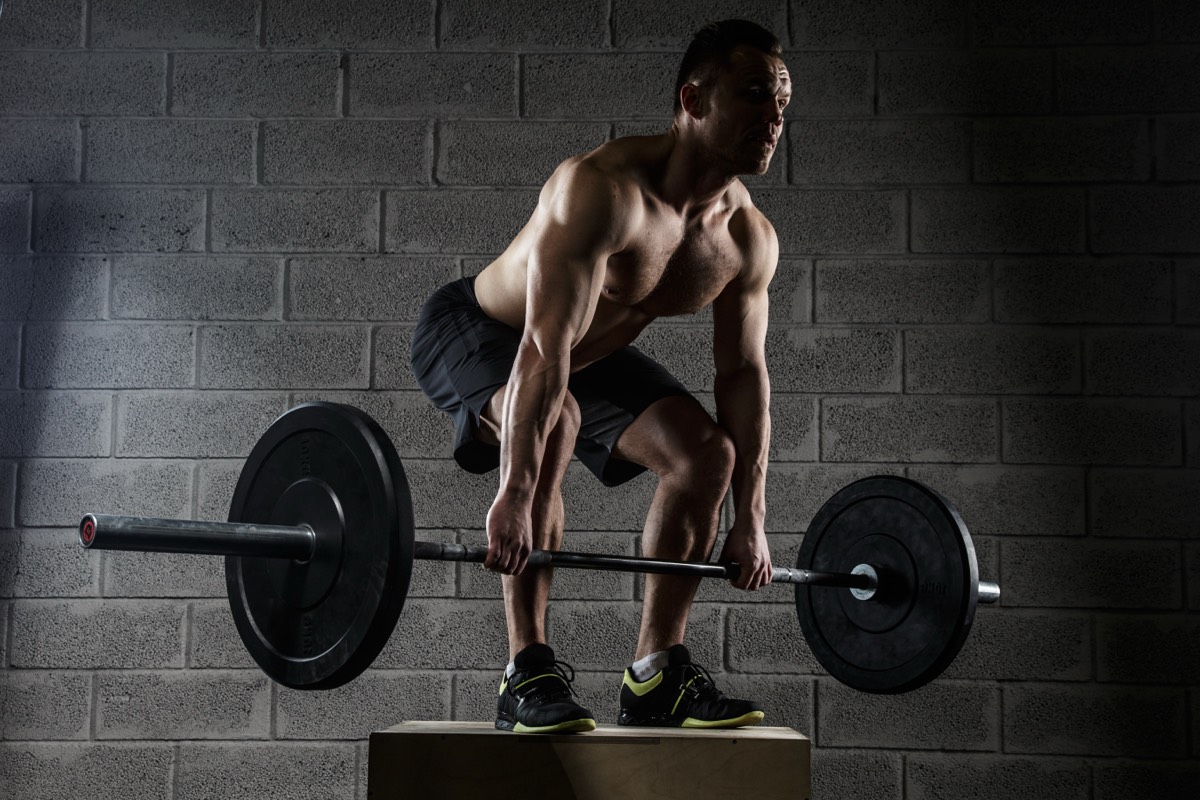
This is where most people go wrong. You need to hip hinge—push your butt back and bend forward from the hips, not the lower back.
- Slight knee bend (15-30 degrees)
- Torso angle between 45-70 degrees (closer to parallel is stricter)
- Neutral spine maintained throughout
- Core braced hard
Where the Bar Hangs
Arms should hang straight down from your shoulders. The bar will be slightly in front of your shins at the start.
Executing the Row
Initiating the Pull
Think about driving your elbows back and toward your hips. Don't think about pulling with your hands—they're just hooks connecting you to the bar.
Where to Pull
- Overhand grip: Pull toward your lower chest/sternum area
- Underhand grip: Pull toward your lower abdomen/belly button
Elbow Path
Elbows should travel back and slightly out—not flaring straight out to the sides. Imagine you're trying to elbow someone behind you.
Squeeze at the Top
When the bar touches your body, squeeze your shoulder blades together hard. This is where the magic happens. Don't rush this position.
Controlled Lowering
Lower the bar with control. For standard rows, don't let it touch the floor. For Pendlay rows, reset on the floor each rep.
Common Rowing Errors
Using Too Much Body English
The Fix: Reduce weight and keep your torso stationary. If you're jerking upright to complete reps, you're not rowing—you're doing some hybrid movement that's less effective.
Rounding the Lower Back
The Fix: Brace your core harder and reduce weight if needed. Your lower back should stay neutral throughout. Consider deadlift-style bracing before each set.
Pulling Too High (to Neck/Clavicle)
The Fix: Pull to your lower chest or abdomen, depending on variation. High pulls stress the shoulders and don't target the lats effectively.
Not Squeezing at the Top
The Fix: Every rep should include a deliberate squeeze of your shoulder blades at the top. This is where the muscles actually work. Rushing through reps leaves gains on the table.
Shrugging the Weight Up
The Fix: Keep shoulders down and back throughout. If your traps are doing most of the work, the weight is too heavy or your technique needs adjustment.
Programming Barbell Rows
Frequency
1-2 times per week for barbell rows specifically. Total back work can be more frequent with various exercises.
Rep Ranges
- Strength (5-8 reps): Heavier, focus on bar speed
- Hypertrophy (8-12 reps): Moderate weight, emphasize squeeze
- Muscular Endurance (12-15 reps): Lighter, higher volume
Pairing With Other Exercises
- Row on days you bench press (balance pushing with pulling)
- Can be done before or after main lifts
- Works well in supersets with pressing movements
Accessory Work
Cable Rows
More constant tension throughout the movement. Great for higher rep work.
Dumbbell Rows
Unilateral work, addresses imbalances, greater range of motion.
Chest-Supported Rows
Removes lower back from the equation. Pure upper back and lat focus.
Face Pulls
Rear delt and rotator cuff work. Essential for shoulder health.
Meadows Rows
Landmine row variation with incredible lat stretch. Named after John Meadows.
Safety Considerations
Lower Back Health
The bent-over position loads your lower back isometrically. This can build tremendous core strength but also poses risk if you have existing issues.
If barbell rows bother your lower back:
- Try chest-supported row variations
- Reduce weight and perfect form
- Strengthen your core with dedicated work
- Consider seeing a professional for evaluation
Wrist Position
Keep wrists neutral—not bent back excessively. If you have wrist issues, try a neutral grip with a specialty bar.
Grip Fatigue
Your grip may fail before your back does, especially with overhand grip. Options:
- Use straps for heavy or high-rep sets
- Train grip separately
- Use mixed grip (one palm forward, one back)
Building a Bigger Back: The Row's Role
Rows primarily build:
- Latissimus dorsi (the "lats")
- Rhomboids (between shoulder blades)
- Rear deltoids
- Trapezius (mid and lower)
- Biceps (secondary)
For complete back development, combine rows with:
- Vertical pulling (pull-ups, lat pulldowns)
- Deadlifts (lower back, traps, posterior chain)
- Direct rear delt work
The Bottom Line
The barbell row is a fundamental movement that pays dividends in back size, pulling strength, and posture. It takes time to develop proficiency—the hip hinge position and strict form are skills that require practice.
Start lighter than your ego wants. Focus on feeling your back muscles work. Increase weight gradually while maintaining form. In a year, you'll have a back transformation that speaks for itself.
Frequently Asked Questions
What muscles do barbell rows work?
Should I do overhand or underhand barbell rows?
How do I stop my lower back from rounding during rows?
Medical Disclaimer
This content is for informational purposes only. Always consult a healthcare professional before starting any new exercise program.
Related Articles

Put This Knowledge Into Action
Download Axon and get personalized workout plans that incorporate these training principles, tailored to your goals.
Download on App Store